Events
The CRC sponsors, hosts, and promotes events that increase knowledge exchange, spark new collaborations, and disseminate research findings to scientific, clinical, and public audiences.
Sign up for our mailing list to receive important updates and exclusive information.
CRC Seminar Series
Held every 2–4 weeks, featuring WSU faculty, students, and invited experts discussing new findings in cannabis science.
WSU/UW Joint Cannabis Research Symposium
A biennial statewide symposium showcasing:
- Cutting-edge research across WSU and UW
- Student and trainee “data blitz” presentations
- Networking across research, policy, and public health communities
Our next WSU/UW Joint Cannabis Research Symposium is scheduled to take place on May 15, 2026, in the Elson S. Floyd Cultural Center on the Pullman Campus. Registration is free!
The online portal to register is now closed. Please contact wsu.ccpro@wsu.edu for late registration.
Previous Seminars
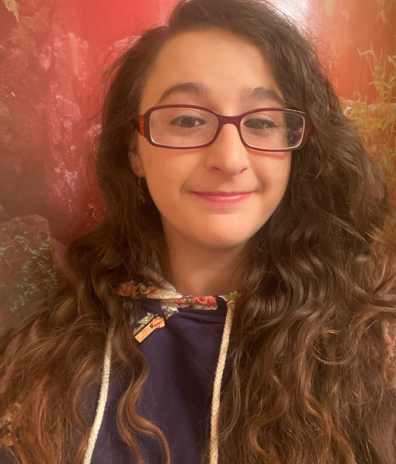
Erika Lutz
Erika Lutz is a Ph.D. student in Experimental Psychology. She earned a B.S. in Psychology from Towson University in 2020 and an M.S. in Experimental Psychology from Western Washington University in 2023. Her research focuses on how nature influences emotions, behavior, and mental health, as well as how cannabis use may affect those outcomes. She works with the The Health and Cognition (THC) Lab under Carrie Cuttler and also collaborates with the SCENe Lab.

Crystal Smith
Crystal Smith serves as the lead Principal Investigator for the Laboratory for Innovations in Therapeutics (LIT). Her research centers on clinical trials, advanced biostatistics, and qualitative methods, with a strong focus on improving treatments for substance use disorders, exploring therapeutic applications of novel substances, and developing precision‑medicine interventions.
Smith holds a PhD in Prevention Science from Washington State University, along with an MS in Family and Consumer Sciences from the University of Idaho and a BA in Psychology from Gonzaga University. Over her career, she has held multiple research and teaching positions across WSU and Gonzaga, including roles as Assistant Research Professor, Clinical Research Supervisor, and Adjunct Faculty. Her professional experience also includes work in mental health settings, youth behavioral health, and psychosocial rehabilitation, providing her with a deeply applied perspective on clinical and community health challenges.

Mike Morgan
Michael Morgan, Ph.D., is a Professor of Psychology, where he is part of the Departments of Psychology and Neuroscience. His academic career centers on understanding the biological and behavioral mechanisms of pain, opioid action, and tolerance.
Dr. Morgan’s research focuses on chronic pain, opioid analgesia, and the neural processes that contribute to morphine tolerance. His laboratory examines opioid‑sensitive GABAergic neurons in the periaqueductal gray (PAG) and how their activity shapes analgesia and tolerance with repeated opioid administration. Current studies explore mu‑opioid receptor internalization and the long‑term effects of psychostimulant exposure on pain modulation.
As a core faculty member of WSU’s Translational Addiction Research Center (TARC), Dr. Morgan contributes to interdisciplinary research on addiction, pain, and neuropharmacology. His work, which spans behavioral, cellular, and translational approaches, supports the development of more effective and sustainable treatments for pain without the drawbacks of traditional opioid therapies.
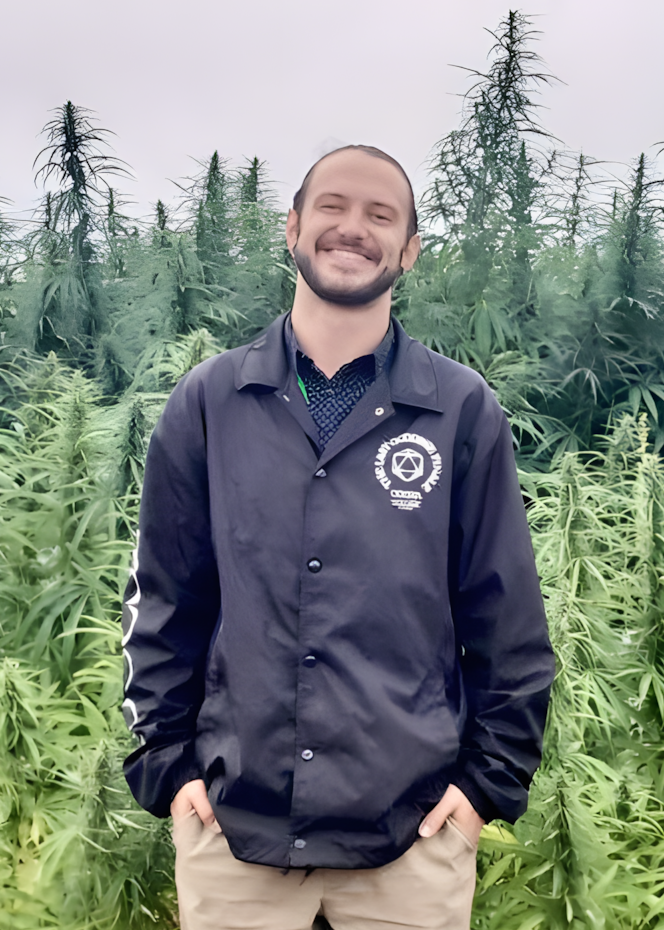
Austin Alt
As a graduate student in the Molecular Plant Sciences program at Washington State University, I am passionate about leveraging genetic techniques to harness natural biological processes for innovative applications.
My current research focuses on the biosynthesis of unique volatile compounds in Cannabis sativa and other relevant organisms. This work aims to uncover the molecular mechanisms underlying complex aromas, contributing to a deeper understanding of these intricate processes.
Beyond advancing knowledge in molecular biology, this research has broader implications for sustainable agriculture. By decoding the pathways behind these compounds, my work has the potential to inform practices that enhance crop resilience and environmental sustainability.

Stacey Hust
Stacey J.T. Hust (Ph.D., 2005, University of North Carolina at Chapel Hill) is a professor of communication and Associate Dean of Faculty Affairs and College Operations in The Edward R. Murrow College of Communication at Washington State University. She is nationally ranked by the Communication Institute for Online Scholarship for her health communication research focused on media and children, gender, conflict (sexual assault reduction), and substance abuse prevention. Her research identifies effective health communication messaging that can be used to reduce sexual assault and promote healthy sexual relationships among young people. She also investigates the media’s effects on youths’ romantic and sexual relationships.
Hust has published more than 60 manuscripts including an edited academic book, a refereed academic book, and refereed journal articles. Her research has been published in the Journal of Interpersonal Violence, Journal of Sex Research, Journal of Health Communication, Health Communication, and others. She has consistently funded her research since 2007. Her research has been sponsored by the National Insitute of Drug Abuse at the National Institutes of Health, the United States Department of Education, the Washington State Division of Alcohol and Substance Abuse, and the Washington State Alcohol and Drug Abuse Research Program. Dr. Hust is ranked 28th out of 3,091 national and international authors for the number of top conference papers (source: AEJMC).
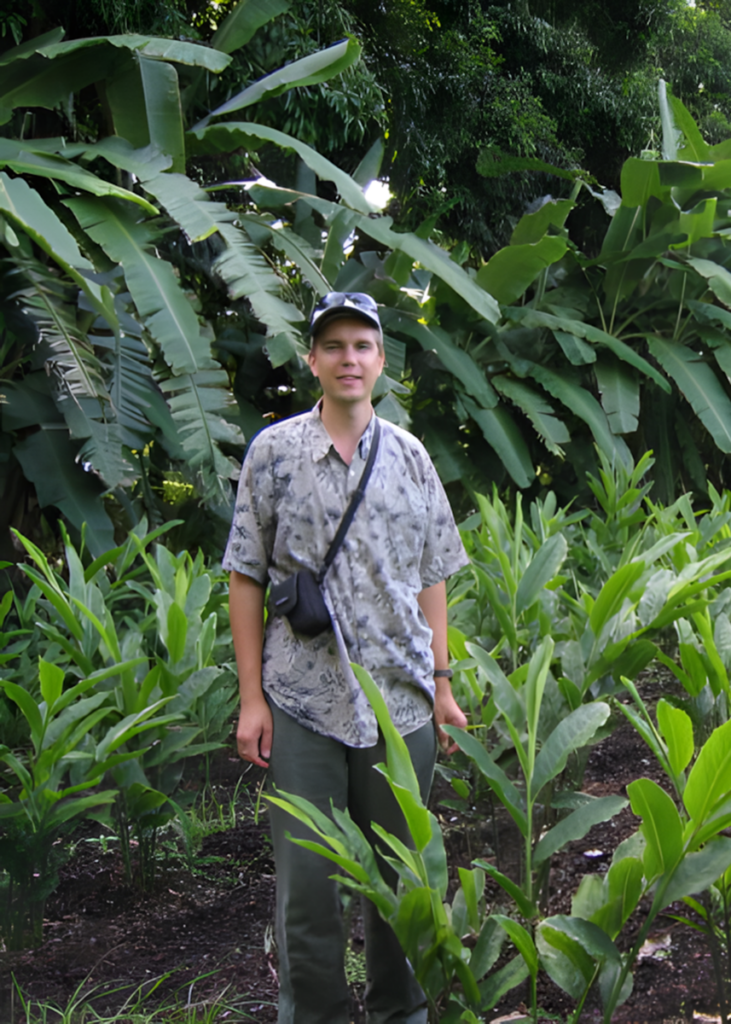
David Gang
David R. Gang is a Professor at the Institute of Biological Chemistry at Washington State University (WSU) and Director of WSU’s Center for Cannabis Policy, Research, and Outreach, as well as the Tissue Imaging, Metabolomics, and Proteomics Laboratory. He previously served as Assistant Director of the CAHNRS Office of Research and Chief Science Officer at Botanisol LLC (2014–2022). Dr. Gang has supervised numerous postdocs, graduate, and undergraduate students and holds degrees from Brigham Young University (B.S., B.A.) and WSU (Ph.D.), with postdoctoral work at the University of Michigan. He joined WSU in 2009 after a faculty position at the University of Arizona.
Dr. Gang’s interdisciplinary research focuses on biosynthetic pathways of specialized plant and microbial metabolites, metabolic regulation, plant cell development, and applications in agriculture, bioenergy, and human health. Key research areas include:
- Medicinal compound production in plants and microbes.
- Metabolic regulation for biofuel and specialty chemical production.
- Mechanisms behind invasive plant species’ success.
- Control of plant diseases like citrus greening.
- Discovery of new drug targets from marine microbes and medicinal plants.
- Ancient Residue Analysis exploring human-plant interactions in history.
- Economic development of plant species, particularly hemp.
His work integrates advanced tools in chemistry, biochemistry, molecular biology, and omics technologies. Field research has taken him to Hawaii, Puerto Rico, Mexico, Korea, Thailand, Europe, and more, collecting samples like ginger family tissues and marine microbes for analysis.

Carrie Cuttler
My research interests lie at the intersection of health-related behaviors, cognitive functioning, mood, and stress, with a particular focus on understanding the complex interactions between these domains. Key areas of exploration include the impact of chronic cannabis use, exercise, and related behaviors on memory, executive functioning, depression, anxiety, and stress.
Currently, my primary line of research centers on investigating both the potential detrimental and beneficial effects of cannabis on cognition, mood, stress, and overall health. I am actively developing an inventory to measure critical factors such as the frequency, quantity, and age of onset of cannabis use. This tool aims to provide a standardized framework for assessing cannabis consumption patterns.
In addition, I am leading an ADARP-funded study to examine individual differences in how cannabis affects cognitive functions such as memory, attention, and executive functioning. This work seeks to identify factors that may make certain individuals more susceptible to the potential negative cognitive effects of cannabis.
Another significant aspect of my research involves exploring the relationship between chronic cannabis use and stress. Through a series of studies, I aim to clarify the directionality of this relationship while identifying potential mediators and moderators that influence it.
Lastly, I am conducting a large-scale study to evaluate perceptions of different marijuana strains and their effectiveness in alleviating various symptoms for which cannabis is indicated. This project aims to provide a nuanced understanding of strain-specific effects on health and symptom management.
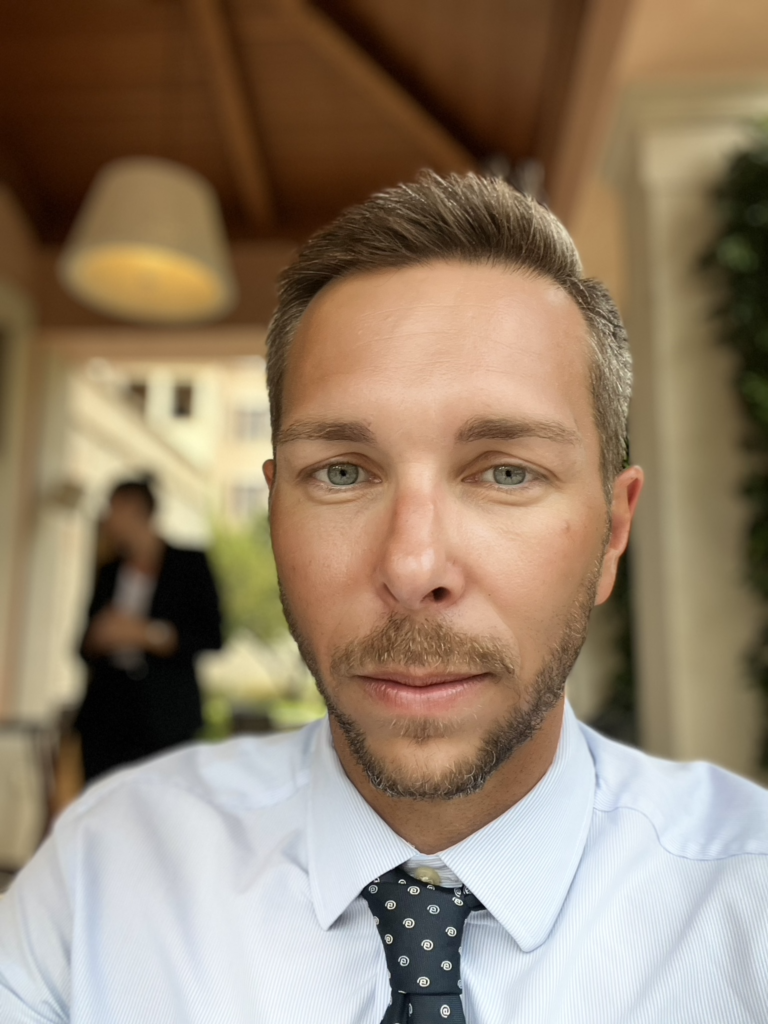
Ryan McLaughlin
Dr. Ryan J. McLaughlin has been a faculty member at Washington State University since 2014, joining as an Assistant Professor before earning promotion to Associate Professor in 2021.
Dr. McLaughlin’s research program focuses on understanding the impact of cannabinoids—both endogenous and exogenous—on the brain and behavior. His groundbreaking studies have demonstrated the critical role of the endocannabinoid system in regulating the neuroendocrine and behavioral stress response. This research highlights the potential of pharmacologically targeting the endocannabinoid system as a therapeutic strategy for stress-related disorders.
In recent years, Dr. McLaughlin’s team has pioneered a novel, translationally valid rodent model to study cannabis use. This innovative approach employs response-contingent delivery of vaporized cannabis extracts, enabling more accurate exploration of how cannabis affects the brain and behavior.
A key focus of Dr. McLaughlin’s research is examining the effects of cannabis use during sensitive developmental periods, including its behavioral, cognitive, and neurobiological consequences. His work also investigates sex-based differences in these outcomes, providing critical insights into the complexities of cannabis use and its long-term impacts.